8 Questions to Ask Your Paving Contractor Before Replacing Your Asphalt Driveway
Upgrading a damaged entryway requires careful planning and significant financial commitment from property owners. Over time, heavy vehicles and severe weather elements degrade blacktop surfaces, leading to structural failures. Finding a professional team to handle this complex replacement process ensures a long-lasting, durable entryway.
Many homeowners feel overwhelmed by the process of selecting a qualified team for the job. Asking targeted questions allows you to evaluate structural expertise, material quality, and project timelines accurately. Gathering this essential information protects your property investment and prevents unexpected construction problems down the road.
Taking the time to interview candidates helps you identify the most qualified local specialists. True professionals readily share details about their building techniques, insurance coverages, and project warranties. This thorough screening process guarantees a smooth installation experience from the initial demolition to the final compaction.
1. How Do You Prepare the Subgrade Foundation?
Inquiring about base preparation methods reveals how long your new blacktop surface will endure daily vehicular stress. A durable entryway depends entirely on a perfectly compacted, well-draining gravel foundation hidden beneath the dark surface. Skipping this essential phase causes the top layer to sink and fracture prematurely.
According to research published by Fixr, driveways that are 25 years old or more are much more prone to cracks, holes, and crumbling. This significant structural degradation highlights the absolute necessity of completely removing old, unstable materials before laying fresh mixtures.
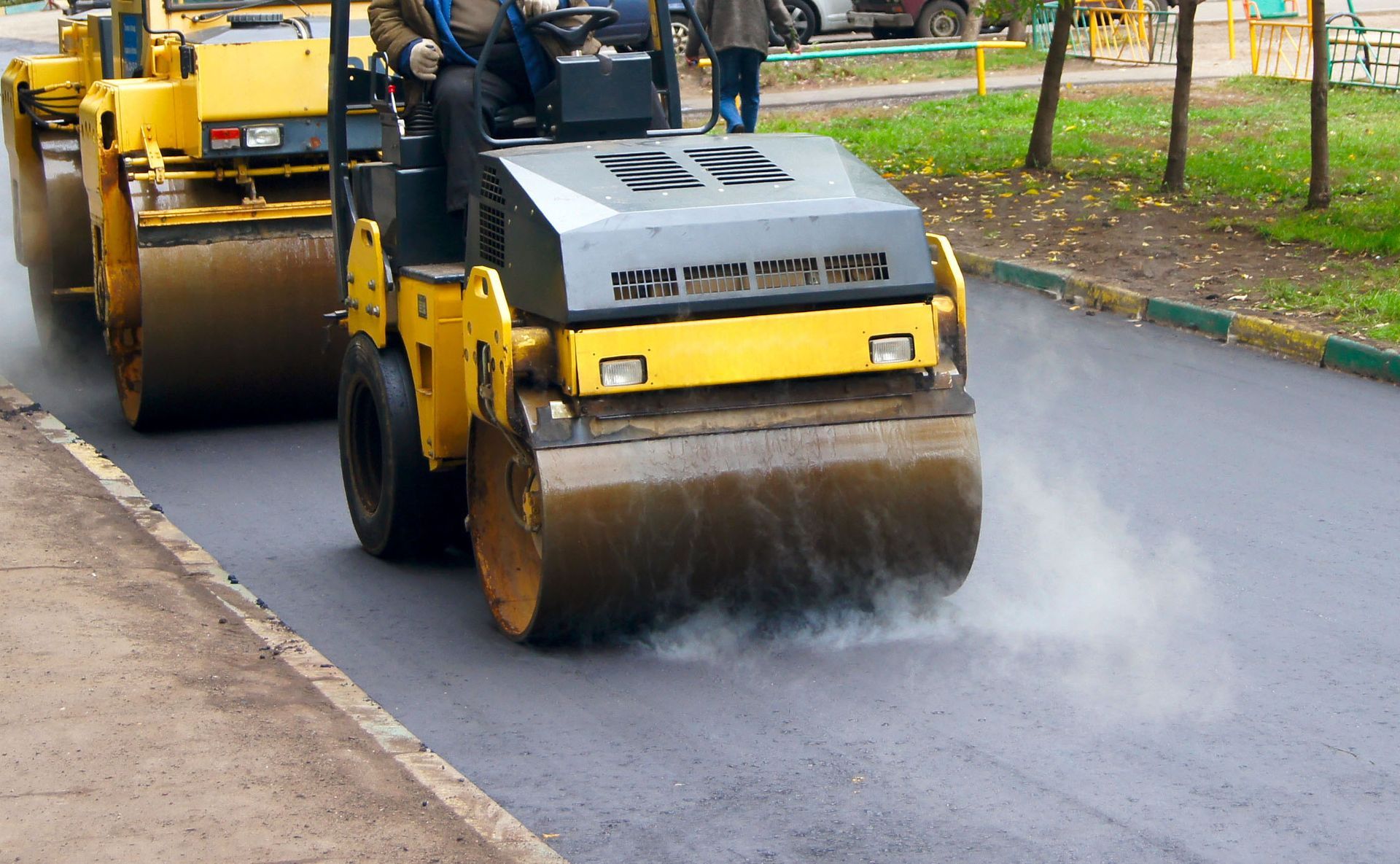
Experienced teams utilize heavy commercial rollers to eliminate weak air pockets within the subgrade soil layers. They also calculate precise grade slopes to channel heavy rainwater safely away from your home foundation. Prioritizing these foundational steps prevents costly drainage issues and shifting ground throughout changing seasons.
2. What Business Licenses and Insurance Do You Carry?
Confirming regulatory compliance protects you from severe financial liabilities during the active construction phase. Asking for current proof of general liability insurance and workers' compensation coverage is a mandatory screening step. Operating without these essential legal protections exposes property owners to lawsuits if property damage occurs.
An uninsured crew might offer a cheaper estimate, but they introduce massive financial risks to your household. A licensed local paving contractor maintains comprehensive insurance policies to protect your property and their workers. Reviewing these active credentials provides immense peace of mind before heavy machinery enters your yard.
Legitimate businesses gladly provide copies of their municipal permits and state licensing numbers upon request. They also understand local zoning laws, property setback boundaries, and neighborhood association restrictions perfectly.
3. Can You Provide Local References From Past Jobs?
Examining past completed projects allows you to judge the visual and structural consistency of a crew. Requesting addresses of nearby installations completed several years ago helps you evaluate real-world product durability. Speaking with previous clients reveals how well the crew communicates and resolves unexpected project challenges.
- Checking physical properties reveals how the material ages over time
- Reading online consumer reviews exposes hidden patterns of customer service
- Speaking with past clients confirms if the project stayed on budget
- Visiting active construction sites allows you to observe safety practices firsthand
Reputable companies maintain an extensive gallery of local residential projects within your immediate community. Partnering with an established local paving contractor ensures that your project benefits from regional building expertise.
4. What Specific Material Settings and Thicknesses Are Used?
Understanding the exact composition of the hot mix determines the surface texture and durability of your entryway. Residential installations require specific stone-to-liquid ratios to balance load-bearing strength with a smooth, attractive finish. Low-grade commercial mixtures often contain excessive recycled materials that crumble easily under standard passenger vehicles.
Your chosen local paving contractor must explain the exact thickness of both the binder course and the top finish layer. Professional standards require separate compaction phases for each layer to lock the aggregate stones together tightly.
Inquiring about chemical additives also reveals if the mixture can withstand severe winter freeze-thaw cycles. Specialized liquid modifiers prevent water from penetrating deep into the porous blacktop matrix. Knowing these exact material specifications ensures you receive a high-performance surface engineered for your specific climate.
5. Will You Provide a Written Payment Schedule?
Securing a transparent financial agreement eliminates stressful budget disputes before the heavy machinery arrives. Professional companies provide detailed, itemized estimates that break down material costs, disposal fees, and labor charges clearly. They never demand massive cash down payments before dropping off any construction equipment.
A reputable local paving contractor establishes a balanced milestone payment plan tied directly to project progress. For example, a standard arrangement involves an initial deposit, a foundation completion payment, and a final sign-off balance.
- Itemized estimates eliminate hidden surcharges for fuel or equipment transport
- Progress milestones keep the construction crew motivated and on schedule
- Final payments should only occur after a thorough walkthrough inspection
Be wary of traveling workers who demand full payment up front or claim to have leftover materials from a nearby highway project. These common scams result in thin, brittle surfaces that wash away during the first heavy rainstorm. Legitimate businesses always provide formal, legally binding contracts printed on official company letterhead.
6. What Is the precise timeline for Completion?
Clarifying scheduling details helps you prepare your household for major property accessibility disruptions. Replacing an entryway requires multiple consecutive days of excavation, grading, hauling, and active material pouring. You need to know exactly when heavy trucks will block your garage access or street frontage.
Your targeted local paving contractor must provide a realistic timeline that accounts for potential weather delays. Extreme downpours or freezing morning temperatures can ruin a fresh hot-mix installation instantly. True specialists monitor local meteorological tracking data carefully to select the perfect day for your pour.
Furthermore, you must ask about the exact curing duration required before driving heavy vehicles onto the new surface. Walking on the fresh blacktop is usually safe within a day, but vehicular traffic requires extended waiting periods. Clear timeline instructions prevent you from accidentally scuffing or denting the pristine, hardening surface.
7. What Written Long-Term Warranty Protection Is Offered?
Securing a written workmanship guarantee ensures that the company stands firmly behind its physical labor. Structural flaws like premature cracking or severe water pooling typically manifest within the first year of changing seasons. A comprehensive warranty requires the builder to repair these initial structural defects entirely at their own expense.
- Workmanship guarantees cover structural defects like severe settling or depression zones
- Material warranties protect against premature aggregate raveling and surface flaking
- Maintenance guidance details exactly when to apply protective coal-tar sealcoats
A dedicated local paving contractor views your project as the beginning of a multi-year property management relationship. They will clearly outline what constitutes normal surface wear versus a significant structural failure.
Avoid builders who offer vague verbal promises of future assistance without signing a formal warranty document. If a company cannot put its structural guarantees in writing, they lack confidence in its own installation methods. Protecting your hard-earned money requires clear, legally enforceable structural protections.
Partnering with an established community business guarantees that you receive responsive customer support long after the heavy rollers leave. Local owners rely heavily on positive word-of-mouth recommendations to maintain their commercial operations.
An independent local paving contractor possesses specific knowledge regarding regional soil types and local water tables. They understand how clay or sandy subsoils affect pavement longevity and will adjust their foundation designs accordingly.
Investing in expert installation safeguards your property and creates an immaculate, welcoming approach to your family home. Our dedicated team manages every phase of the construction process with absolute mathematical precision and structural integrity. Contact Rock Solid Paving & Maintenance today to schedule your comprehensive on-site design consultation.
Share On: